
EXCB1-DC1-1 Solar Combiner Box 1 In 1 Out
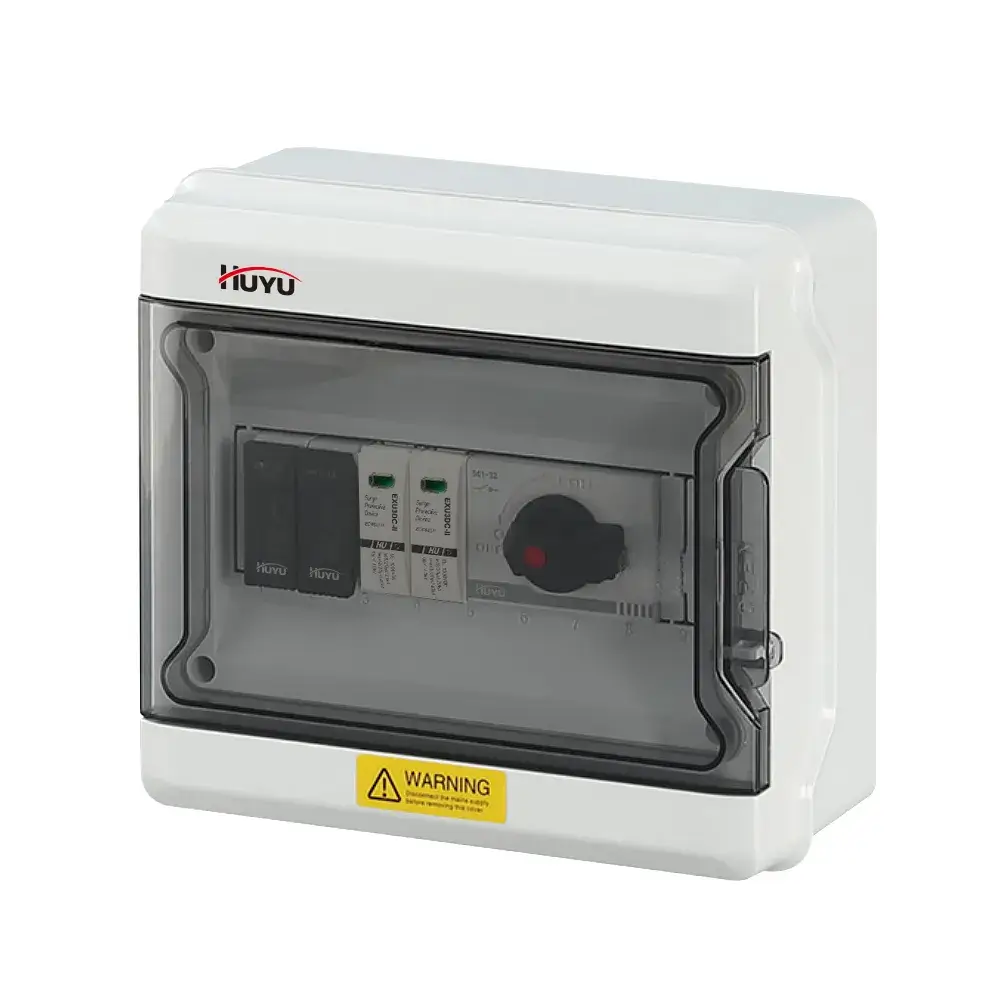
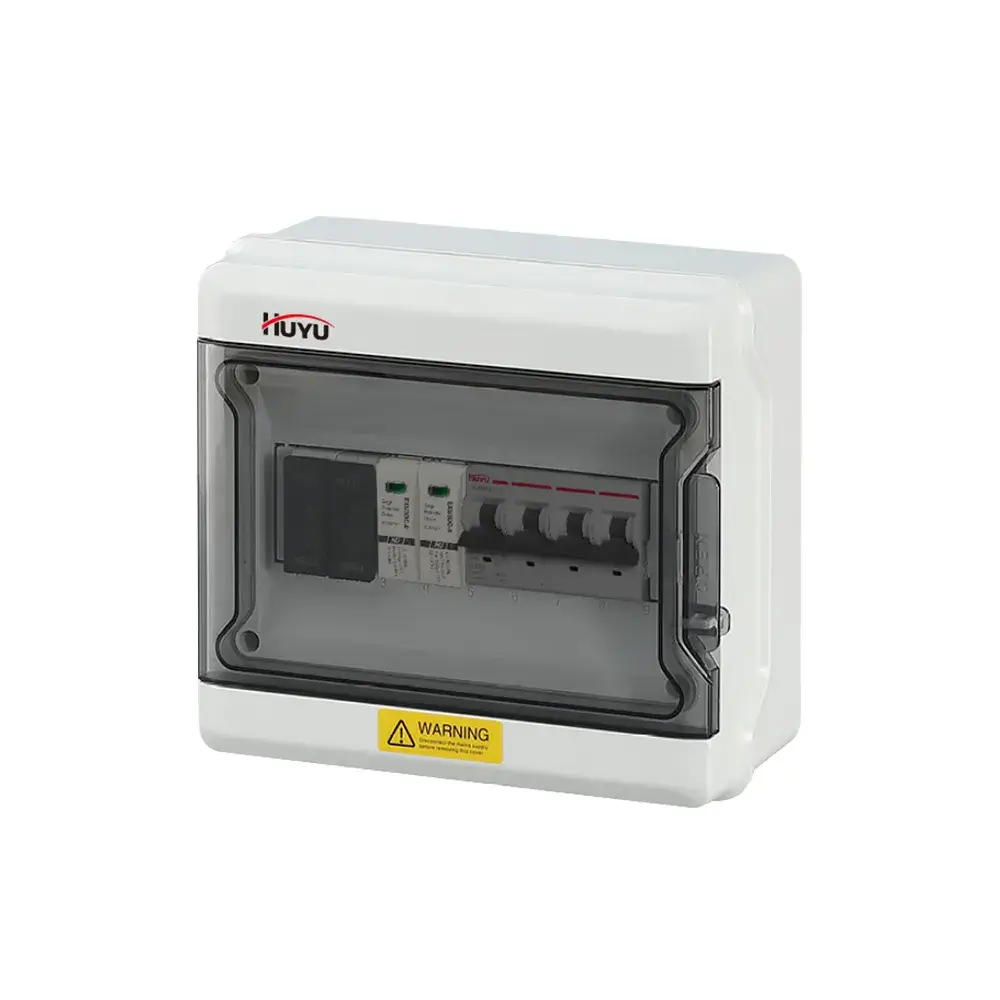
The EXCB1-DC1-1 is a breaker-type 1 in 1 out solar combiner box for small-scale PV systems. Integrates DC MCB, DC SPD, and fuse in one enclosure. Rated 32A–80A at 600V/1000V DC. IP65/IP66 UV-resistant enclosure. CE, TUV, CB certified. Wall-mount, plug-and-play installation.
Standards: IEC/EN 60947-3, EN 50539-11, UL 508I
String Input: 1-String (1 In 1 Out)
Rated Current: 32A, 63A, 80A
Rated Voltage: 600V / 1000V DC
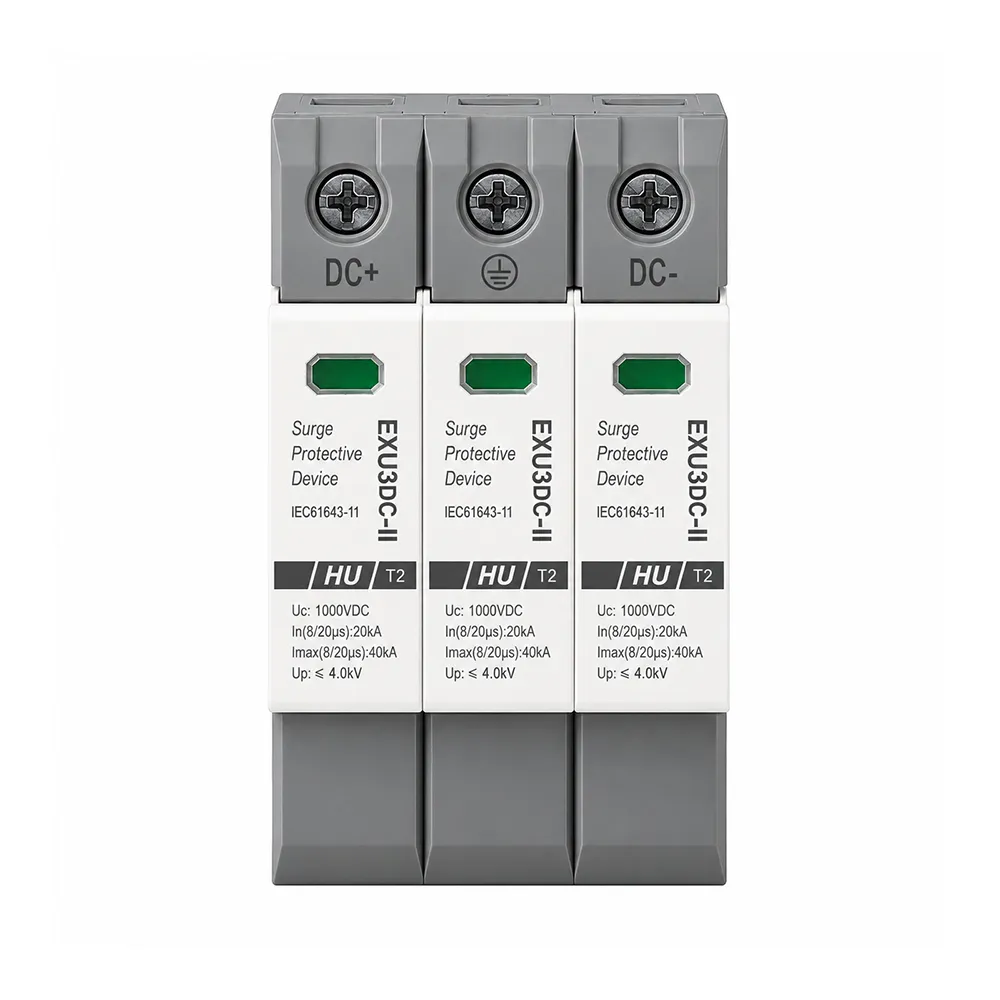
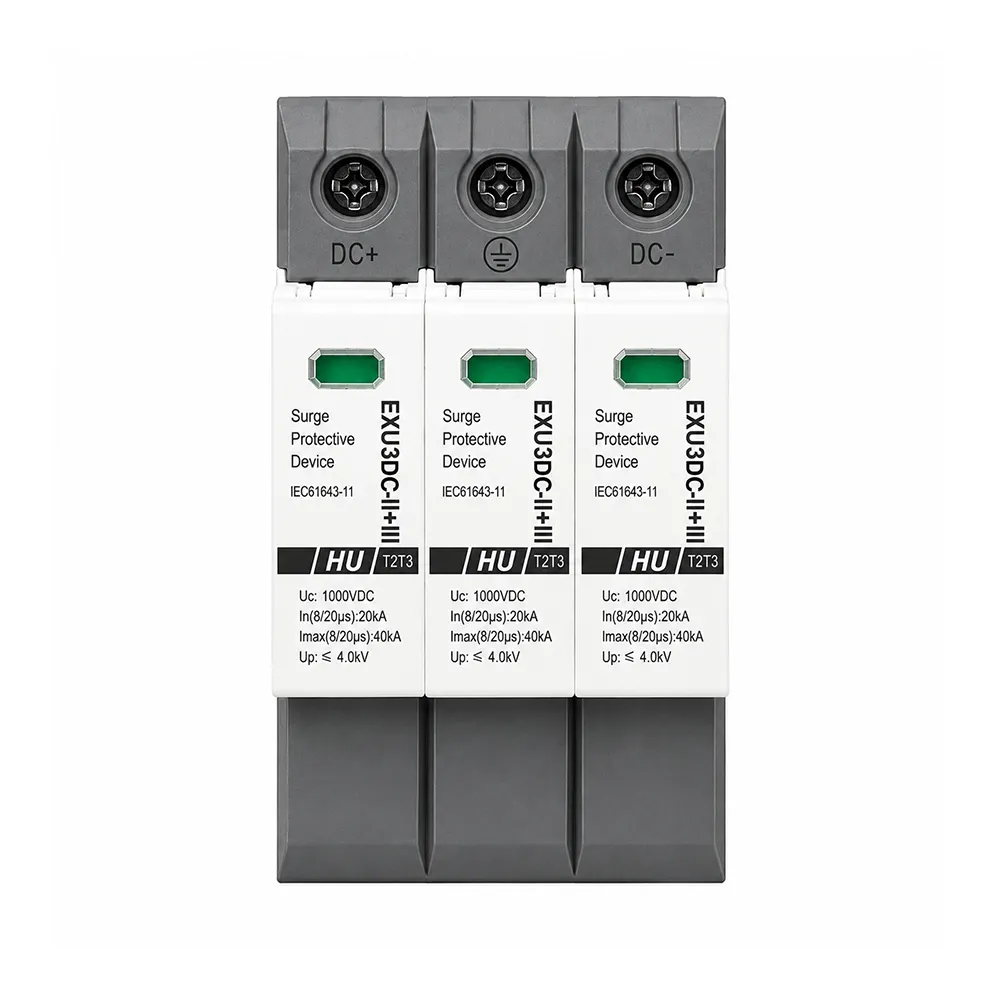
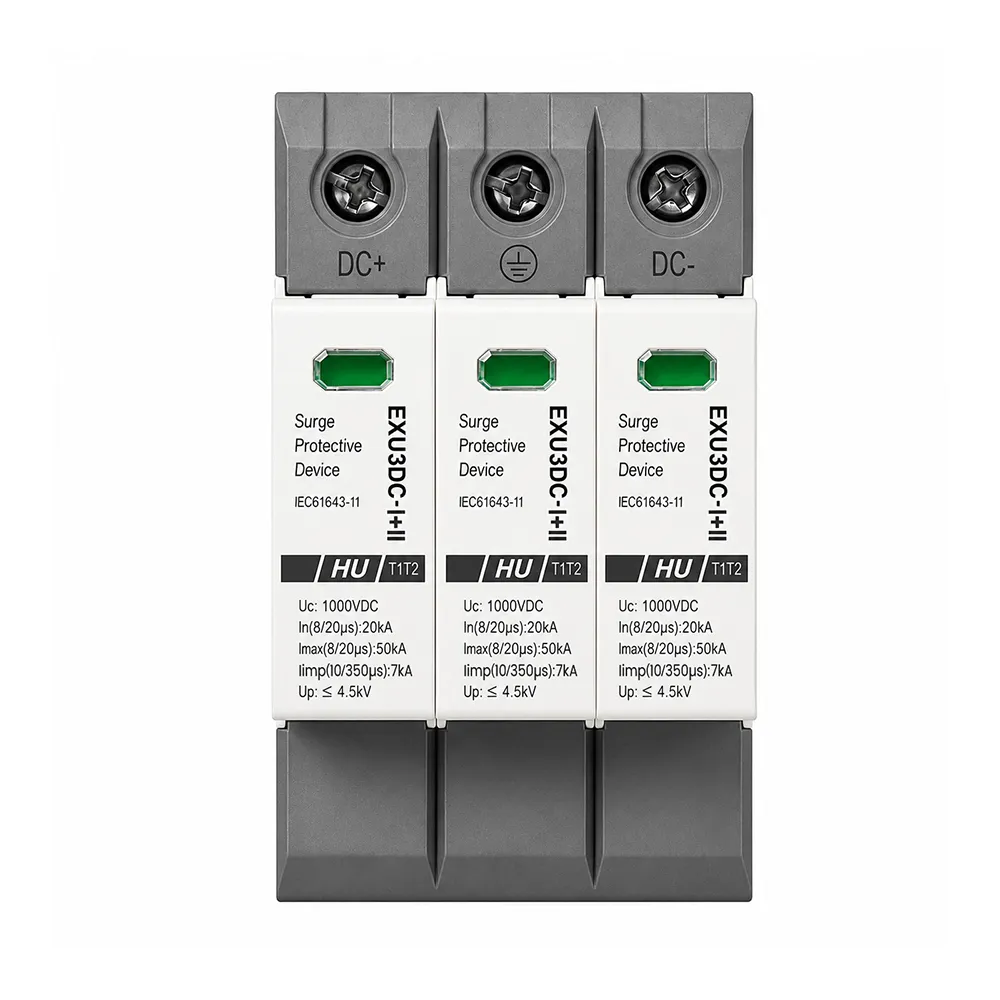
SPD: Type 2, 40kA Imax
Enclosure: IP65/IP66, UV-resistant
Applications: Residential PV, small commercial rooftop solar
Product Information
Integrated Small-Scale PV System Protection – EXCB1-DC1-1 1 in 1 out Solar Combiner Box
The HUYU Electric EXCB1-DC1-1 series is an integrated solution for providing DC side protection of residential and small commercial photovoltaic (PV) installations. Rather than purchasing a separate DC circuit breaker, surge protective device (SPD), and wiring terminals, the installation and purchase process has been streamlined into a single, ready-to-install, fully assembled, and prewired unit with a rating of IP65/IP66. A single input from one PV module string with a protected output to the inverter make these units ideal for residential, single-string installations and small commercial rooftop projects.
The integrated DC MCB provides over-current/short-circuit protection at ratings of 32A, 63A, or 80A, while the Type 2 DC SPD provides up to 40kA of discharge current to protect against surge voltages induced by nearby lightning strikes. The UV-resistant, flame-retardant enclosure maintains its mechanical integrity under prolonged exposure to outdoor conditions. These solar combiner boxes have been CE, TUV & CB certified and meet the international standards for residential PV installations. HUYU Electric provides factory-direct OEM/ODM combiner solutions with complete documentation for distributors and installers looking for certified and ready-to-install products.
Technical Data & Configuration Options
| Parameter | EXCB1-DC 1-1 | EXCB1-DC 2-1 | EXCB1-DC 3-1 | EXCB1-DC 4-1 | EXCB1-DC 6-1 |
|---|---|---|---|---|---|
| DC Breaker Rated Current | 32A | 32A | 32A | 63A | 63A / 80A |
| DC SPD Max. Working Voltage | 600V / 1000V | ||||
| DC SPD Max. Discharge Current | 40kA | ||||
| DC SPD Type / Standard | Type 2 / EN 50539-11 | ||||
| DC Switch / MCB Classification | DC-PV1 / DC-PV2 | ||||
| DC Switch Standard | IEC/EN 60947-3, UL 508I | ||||
| Fuse Rated Voltage | 1000V | ||||
| Fuse Rated Current (Optional) | 15A – 32A (Φ10 × 38mm) | ||||
| Certifications | CE, TUV, CB, TUV Australia Approval | ||||
| Enclosure Protection | IP65 / IP66, UV-resistant flame-retardant | ||||
| Operating Temperature | -20°C to +60°C | ||||
| Installation | Wall-mounted | ||||
OEM/ODM Supply – Solar Combiner Boxes for Global Photovoltaic Markets
EXCB1-DC1-1 – Pre-Assembled, Pre-Tested, and Ready for Your Brand
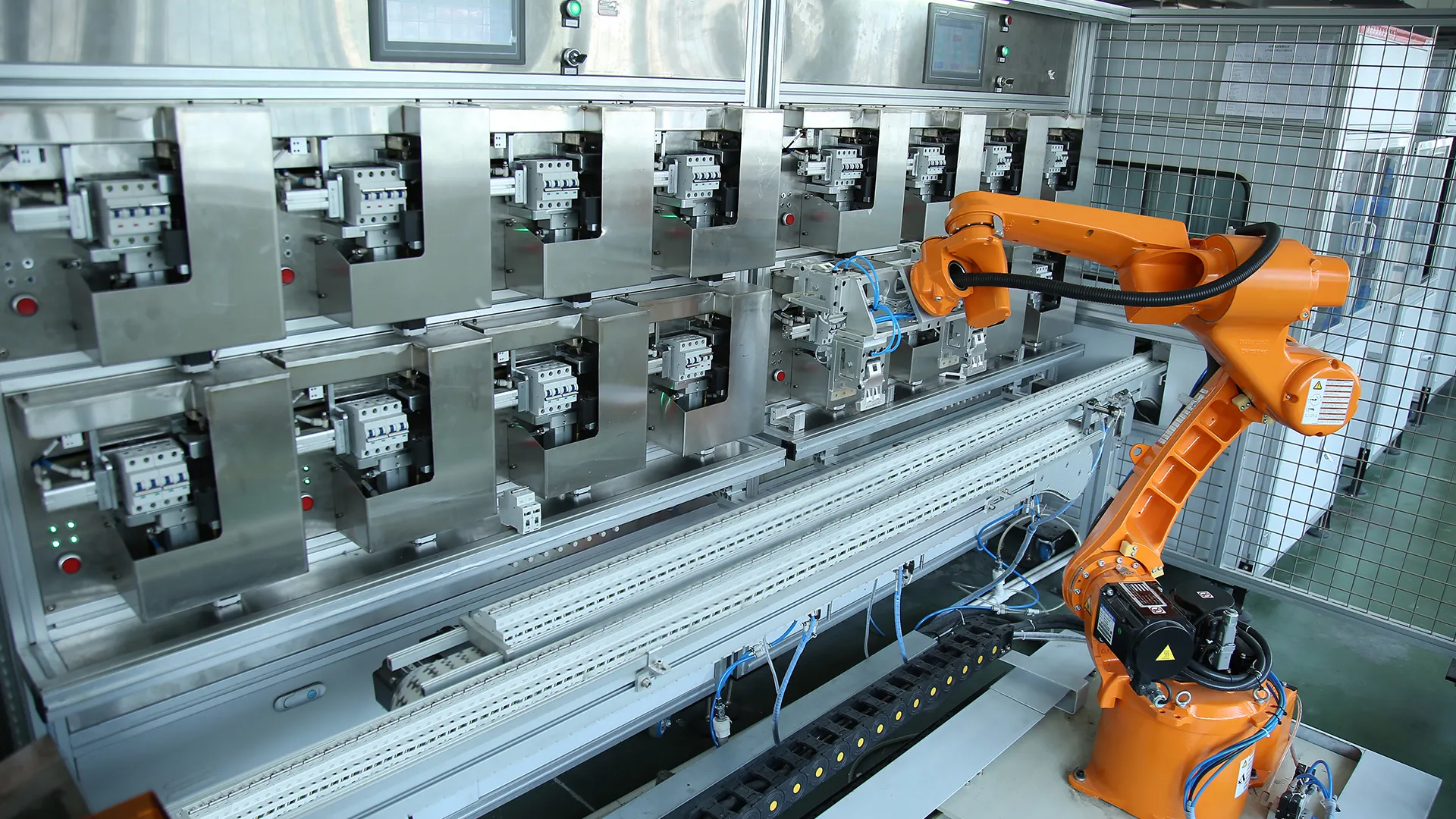
For solar distributors and system integrators, the EXCB1-DC1-1 1 in 1 out solar combiner box is a turnkey DC protection solution that arrives pre-assembled, pre-wired, and factory-tested. CE, TUV, and CB certifications mean the product is ready for European, Australian, and other IEC markets without additional component-level approvals. The multi-model range — from 1-string to 6-string — allows one product family to cover residential through small commercial installations. For buyers currently sourcing PV combiner boxes from ABB, Eaton, or local suppliers, HUYU Electric provides equivalent certified quality with factory-direct OEM pricing, custom silk-screening, and private-label packaging from an established manufacturing facility.
How to Choose the Right Solar Combiner Box for Your PV System
Key selection criteria for the EXCB1-DC1-1 in residential and small commercial PV installations.
1. String Count: Choosing the Right Model
For a single-string residential system, the 1 in 1 out solar combiner box is the correct choice — one string in, one protected output to the inverter. For systems with 2, 3, 4, or 6 parallel strings, select the corresponding model. Each input has its own DC circuit breaker or fuse, providing string-level isolation. Oversizing the combiner box (e.g., using a 4-string model for 2 strings) is acceptable and allows for future expansion.
2. Current Rating and Cable Sizing
Select the DC breaker current rating based on 1.25 × Isc of the PV string. For most residential strings (Isc typically 8A–11A), a 32A DC MCB provides ample headroom. For larger commercial modules or parallel string configurations, the 63A or 80A models offer the necessary capacity. Cable entry and exit are sized to match the breaker rating.
3. SPD Protection Level
The integrated Type 2 SPD with 40kA Imax is rated per EN 50539-11 for PV applications. This protects the inverter DC input from induced surge voltages caused by nearby lightning strikes. In areas with high lightning activity, additional external Type 1 SPDs may be required at the building entry point, but the EXCB1-DC1-1’s Type 2 SPD provides the required second-stage protection.
4. Enclosure and Installation Location
The IP65/IP66 UV-resistant enclosure is designed for outdoor wall mounting adjacent to the PV array. Install in a shaded location where possible to minimize thermal stress. The flame-retardant material provides an additional safety margin for installations on or near occupied buildings. The enclosure’s hinged cover and pre-wired terminals allow quick access for commissioning and maintenance.


Frequently Asked Questions
What does a solar combiner box do?
A solar combiner box combines the output of multiple PV strings into a single DC feed to the inverter. It provides string-level overcurrent protection (via DC circuit breakers or fuses), surge protection (via DC SPD), and a manual isolation point for maintenance. The EXCB1-DC1-1 1 in 1 out solar combiner box is the simplest configuration — it protects and isolates a single string. Multi-string models (up to 6 inputs) combine the parallel string outputs into one main DC cable. In all cases, the combiner box is the safety hub on the DC side of a PV system.
Is a combiner box necessary?
For single-string residential PV systems, a 1 in 1 out solar combiner box is not always legally mandatory, but it is strongly recommended. It provides a clearly marked, easily accessible DC isolation point — a requirement in many electrical codes for emergency responder safety. It also houses the DC surge protective device, which protects the inverter from surge damage. For multi-string systems (2 or more parallel strings), a combiner box is typically required by code to provide overcurrent protection for each string and to combine them into a single DC output. The EXCB1-DC1-1 series covers both scenarios with models from 1-string to 6-string.
What is the 120 rule for solar panels?
The “120% rule” is an NEC (National Electrical Code) requirement for backfed circuit breakers in AC load centers. It limits the sum of the main breaker rating and the solar backfeed breaker rating to 120% of the busbar rating. This rule applies to the AC side of the PV system — specifically, the breaker connecting the inverter output to the building’s electrical panel. The EXCB1-DC1-1 solar combiner box operates on the DC side of the system, between the PV modules and the inverter. The 120% rule does not apply to DC combiner boxes. DC-side protection is sized based on string short-circuit current (Isc × 1.25) and system voltage, not busbar percentages.
How to combine two solar panels together?
Two solar panels can be connected in series (positive of panel 1 to negative of panel 2) to increase voltage while keeping current the same, or in parallel (positive to positive, negative to negative) to increase current while keeping voltage the same. When connecting panels in parallel, a 1 in 1 out solar combiner box may not be sufficient — you would typically need at least a 2-input model (EXCB1-DC 2-1) with individual string protection for each panel circuit. The combiner box then combines the protected outputs into a single DC cable to the inverter. Always use MC4-compatible connectors or a certified DC isolator at the panel connections, and ensure the combined voltage and current are within the combiner box and inverter ratings.
No documents available for download at this moment.