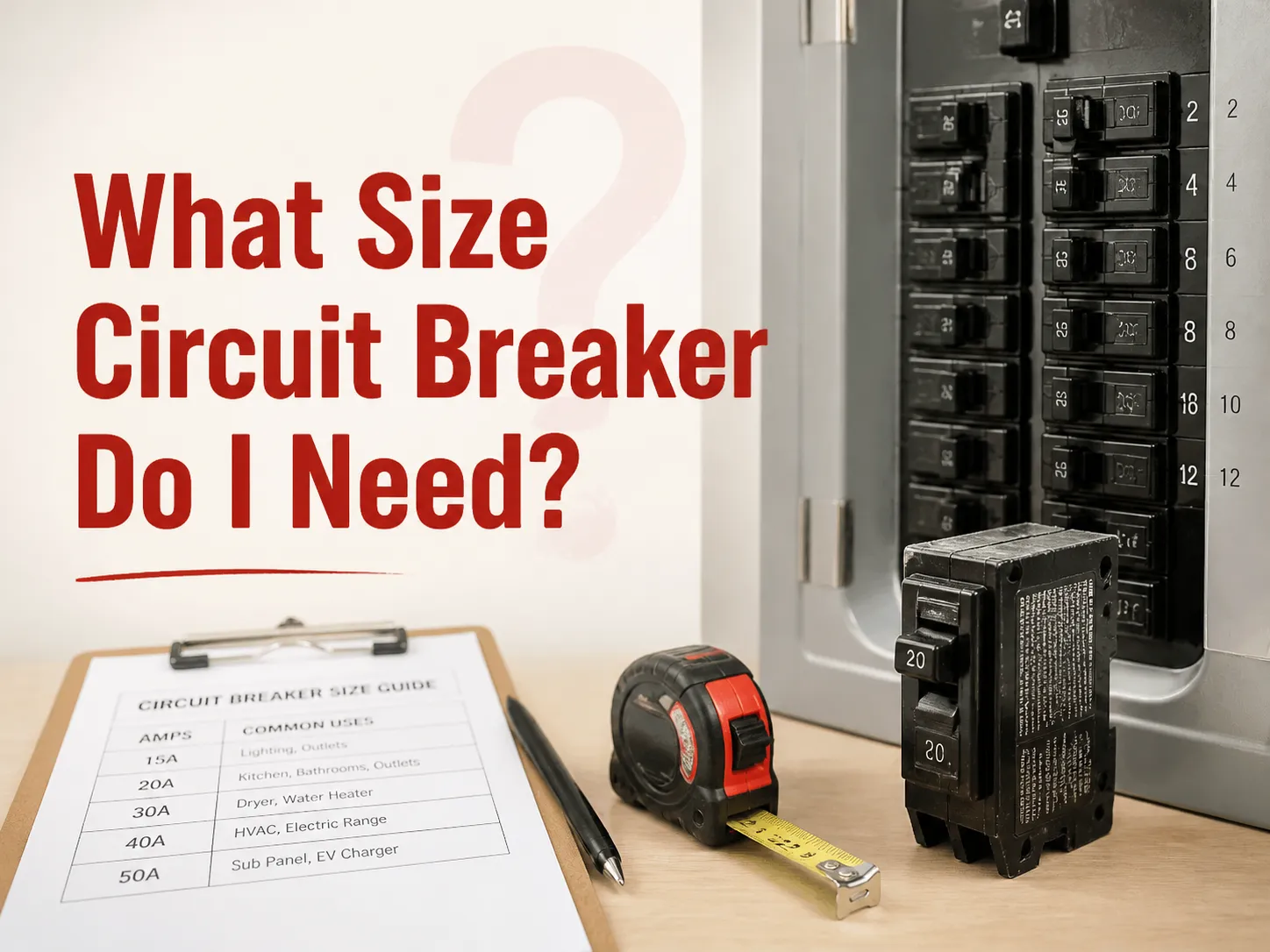

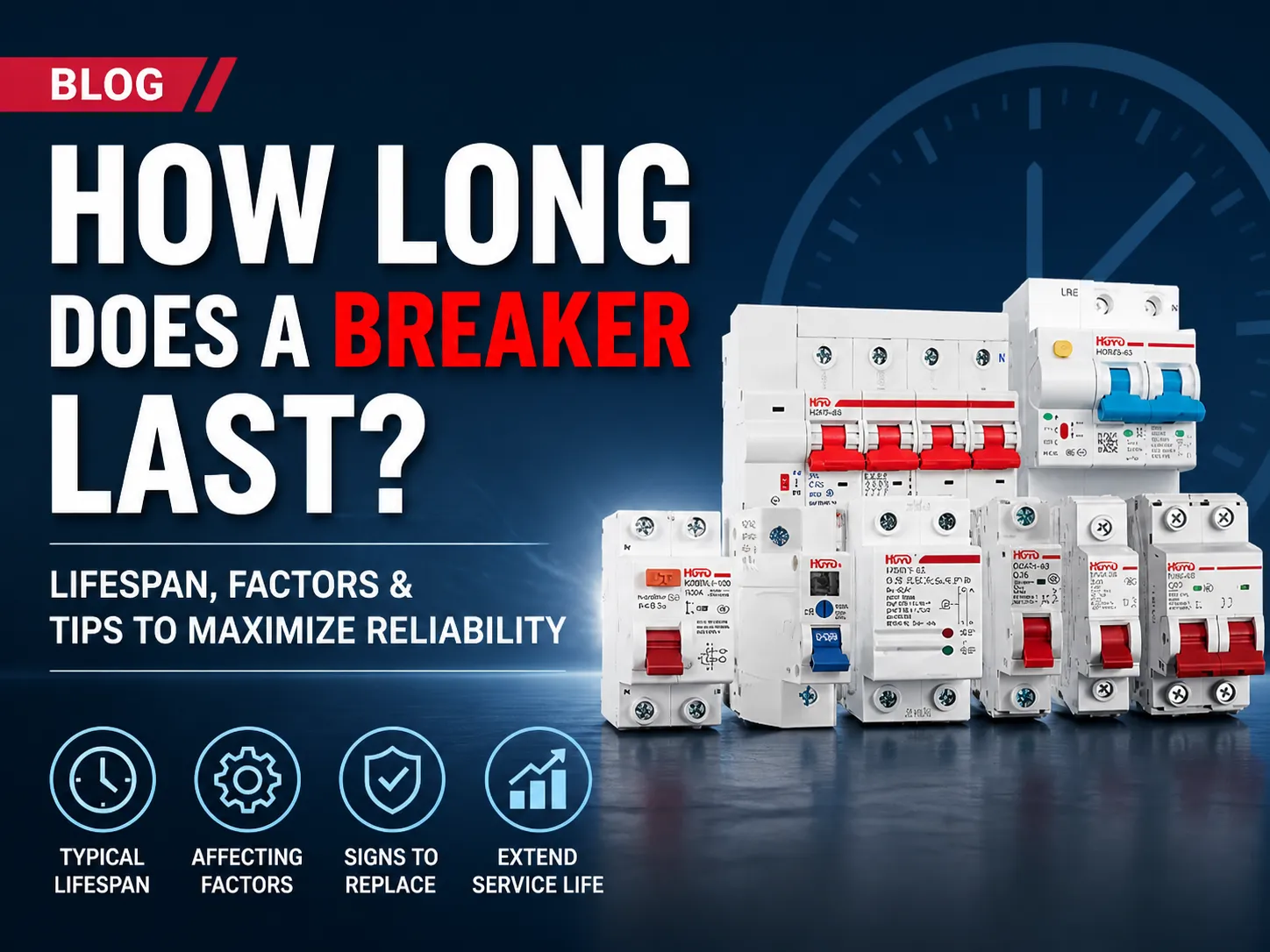
A breaker is a device designed to protect electrical equipment from overcurrents, short circuits, and fire hazards. Like all mechanical devices, breakers have finite lifespans. So, how long will your breaker last? The lifespan of a breaker depends on its type, the environment in which it operates, and how it is used. This guide provides an overview of breaker lifespans, discusses the different types of breakers, and offers maintenance tips to prevent unexpected failures and costly repairs. Additionally, we’ll answer frequently asked questions to help you make informed decisions regarding your electrical systems.
Breaker Lifespans by Type: MCB, MCCB, ACB, and More
The longevity of your breaker is influenced by its type, usage frequency, and environmental factors. Here’s a breakdown of common breaker types and their average lifespans:
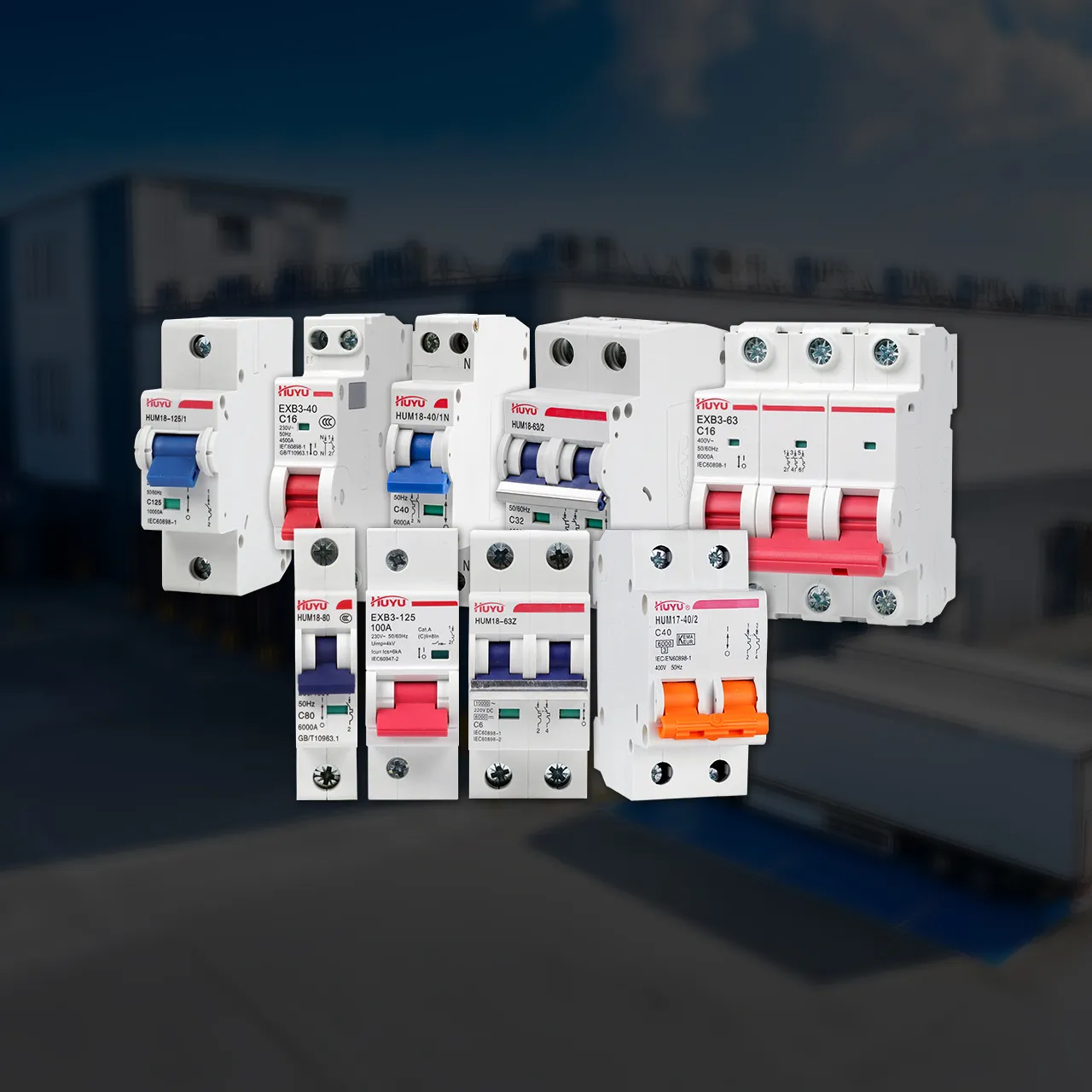
1. Miniature Circuit Breakers (MCB)
MCBs are the most commonly used breakers in residential settings. They protect circuits from short circuits and overloads using a thermal-magnetic trip mechanism, which is designed for low to medium current flows.
Average Lifespan: 10–15 years with regular use.
Key Factors: Frequent tripping due to overloaded circuits can reduce the life expectancy to 5–8 years.
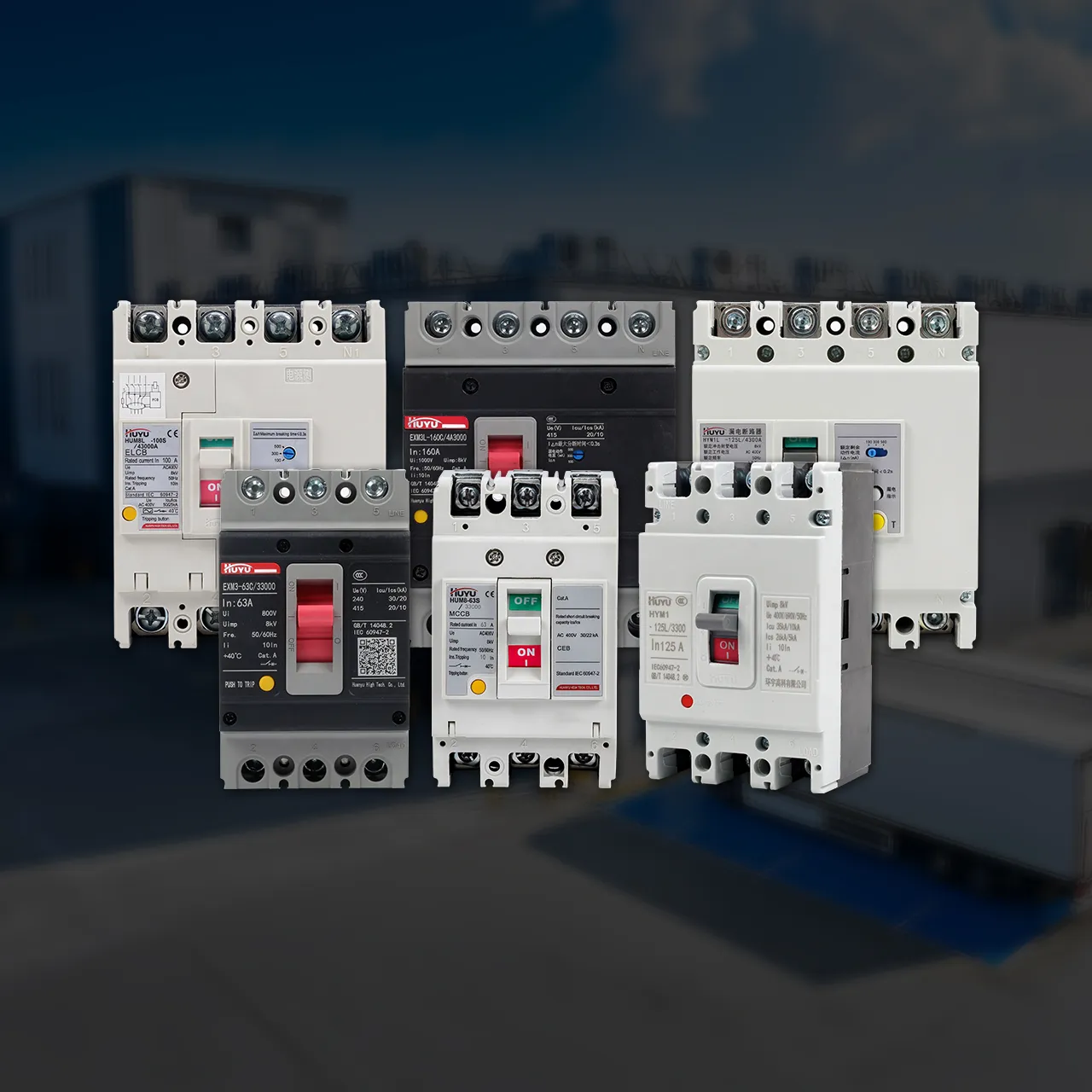
2. Molded Case Circuit Breakers (MCCB)
MCCBs are popular for commercial and industrial applications as they handle higher currents, up to 2,500A. They provide adjustable trip settings and more advanced overload protection than MCBs.
Average Lifespan: 15–20 years.
Key Factors: Clean environments and consistent maintenance can extend their lifespan to 25+ years.
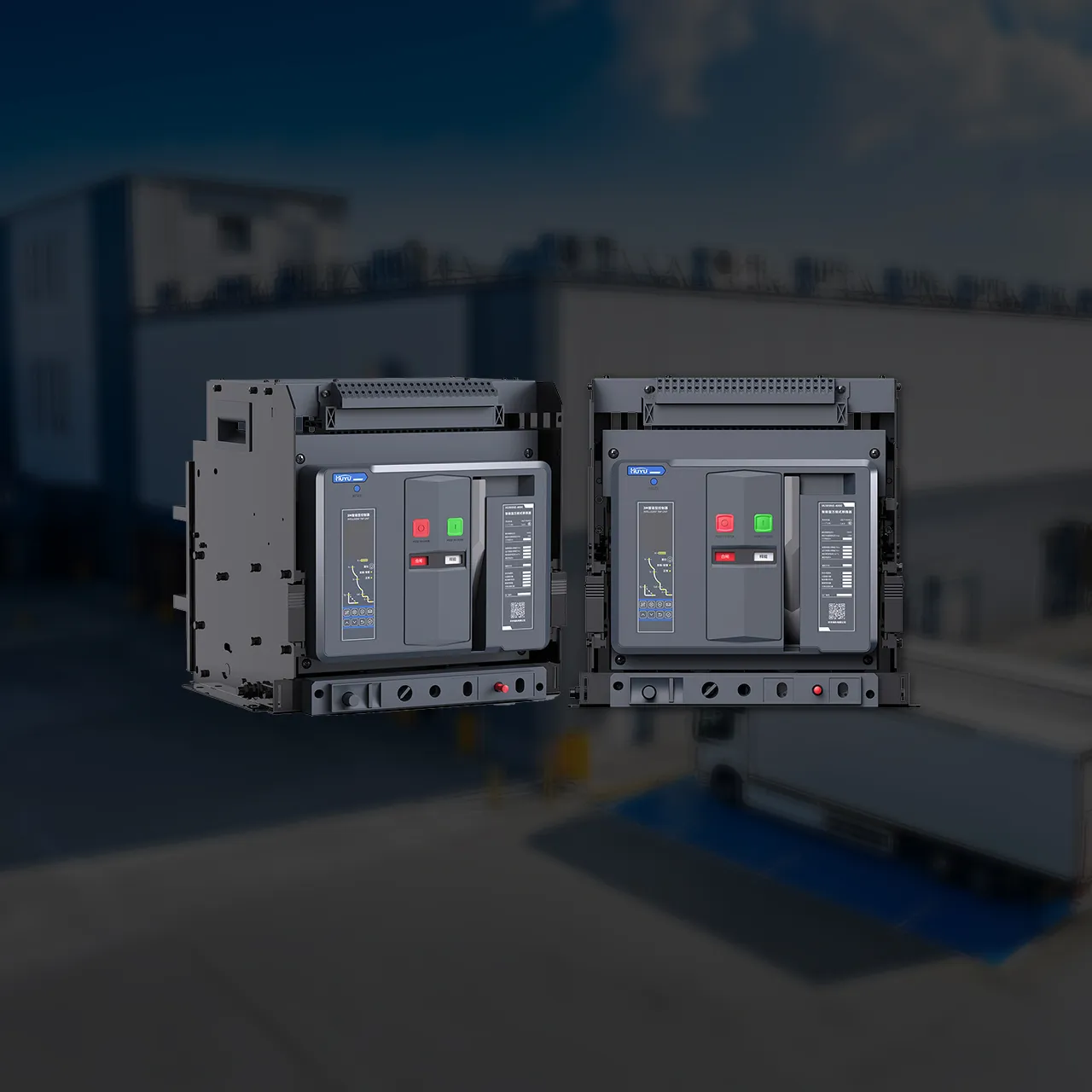
3. Air Circuit Breakers (ACB)
ACBs are robust breakers used for high-voltage industrial systems, supporting up to 10,000A. They employ air as the arc-extinguishing medium and are built for frequent operations.
Average Lifespan: 20–30 years.
Key Factors: Annual inspections and proper lubrication are crucial to prolong their lifespan.
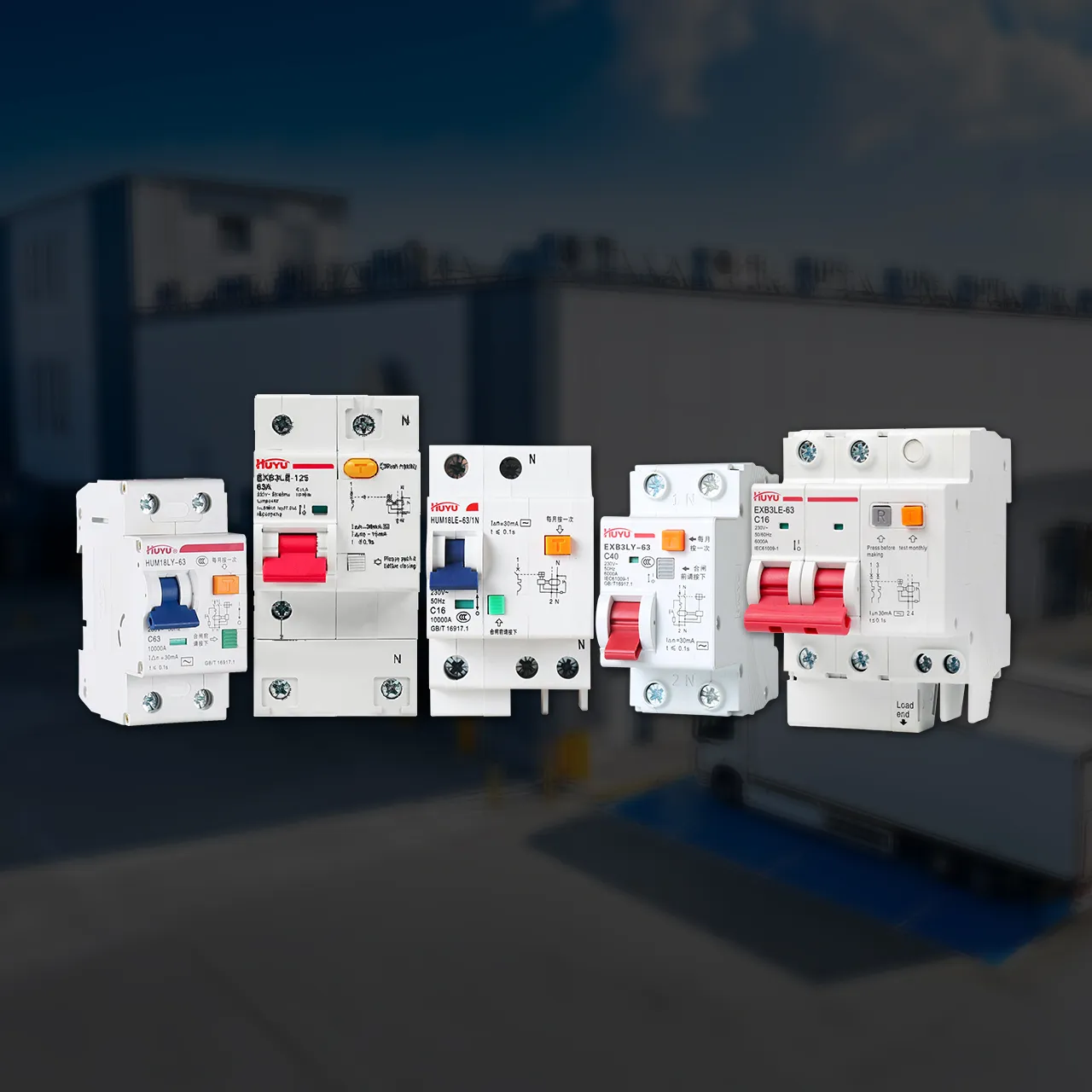
4. Residual Current Circuit Breakers (RCCB/RCBO)
RCCBs and RCBOs detect ground faults and protect against electric shocks. They are commonly paired with MCBs in residential and commercial circuits.
Average Lifespan: 8–12 years.
Key Factors: Moisture exposure and dust accumulation can deteriorate internal components more quickly.
Breaker Lifespan Comparison Chart
| breaker Type | Average Lifespan | Ideal Usage | Top Brands |
|---|---|---|---|
| MCB | 10–15 years | Residential circuits | Schneider Electric, ABB, Eaton |
| MCCB | 15–20 years | Commercial and industrial loads | Siemens, L&T, WEG |
| ACB | 20–30 years | High-voltage industrial systems | ABB, Mitsubishi Electric, Siemens |
| RCCB/RCBO | 8–12 years | Shock protection in homes or offices | Schneider Electric, Legrand, Eaton |
Factors That Shorten Breaker Lifespan
Several factors can contribute to premature breaker failure, even for high-quality models. Here are some common causes:
1.Frequent Tripping: Repeated tripping, often due to overloaded circuits or faulty appliances, leads to faster wear and tear.
2.Extreme Temperatures: Exposure to high heat in summer or freezing cold in winter can damage a breaker’s internal components.
3.Moisture and Dust: Humidity and debris accumulation can lead to corrosion and short circuits.
4.Improper Installation: Loose wiring and incorrect sizing may cause arcing, shortening the breaker’s life.
5.Age: Regardless of maintenance, all mechanical parts experience inevitable degradation over time.
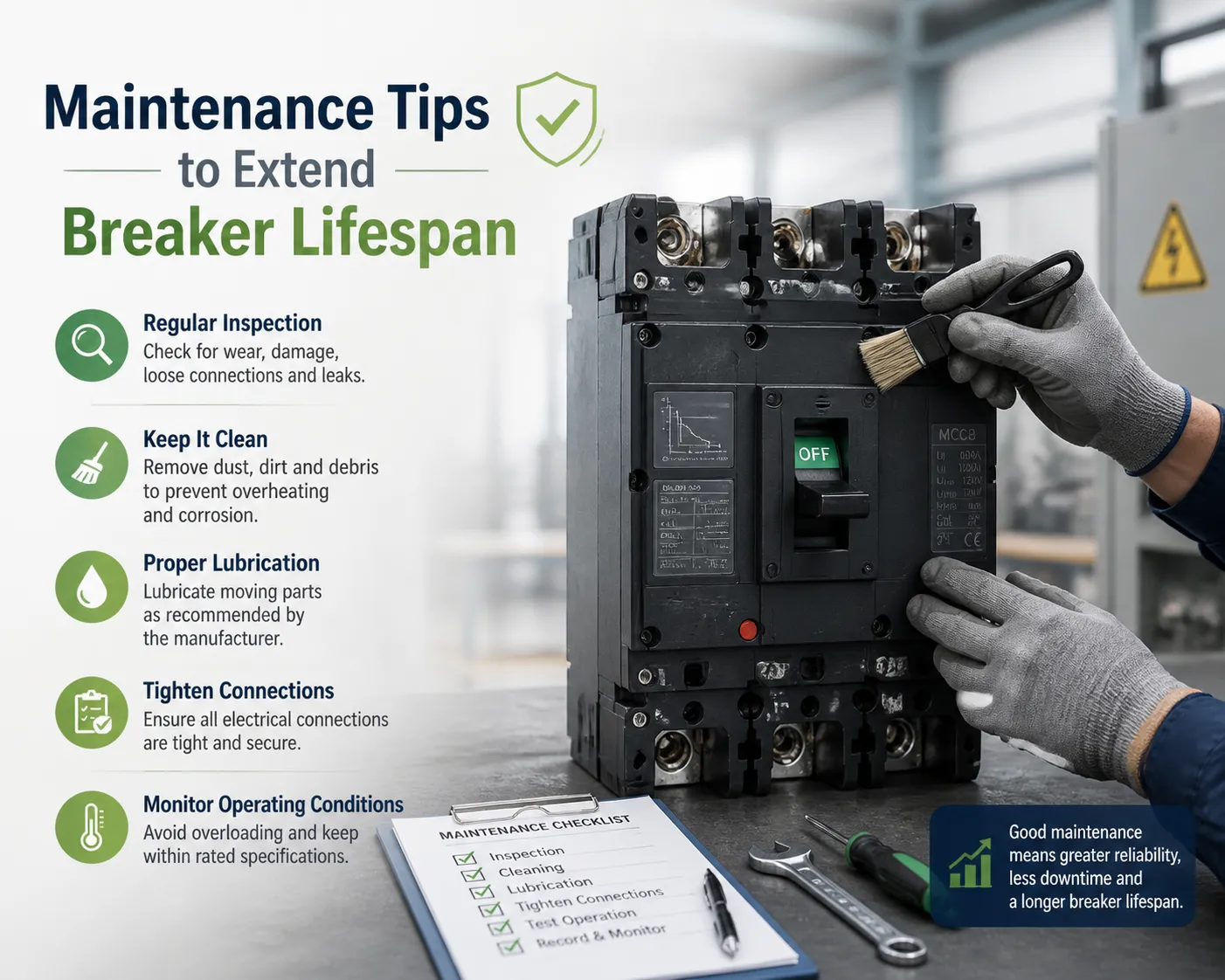
Maintenance Tips to Extend Breaker Lifespan
With proper care, you can add years of service to your breaker and reduce the risk of unexpected failures. Here are practical tips for maintaining your breaker:
Annual Inspections: Have a licensed electrician inspect your breaker panel for loose wires, overheating, or corrosion.
Regular Cleaning: Turn off the power, then clean dust and debris from the panel to help prevent heat buildup.
Avoid Overloading Circuits: Distribute high-wattage devices across multiple circuits and use surge protectors.
Test RCCBs/RCBOs Monthly: Press the test button to ensure proper ground fault detection.
Upgrade Outdated Panels: Consider replacing panels older than 20 years or those containing outdated breaker designs like Zinsco or Federal Pacific.
FAQ: Common Questions About breaker Lifespan and Replacement
How do you know if a breaker needs to be replaced?
Signs of a failing breaker include:
- Frequent tripping without a clear cause.
- Burning smell or scorch marks on the breaker or panel.
- The breaker feels unusually hot to the touch.
- The breaker won’t reset or trips immediately after being reset.
- Cracks or damage in the breaker case.
How often should a breaker be replaced?
Generally, replace MCBs every 10–15 years and MCCBs every 15–20 years. For RCCBs or RCBOs, replacement is recommended every 8–12 years. If frequent tripping or visible damage occurs, replace the breaker immediately.
Can a fire occur if the breaker is off?
Yes, even if the breaker is off, a fire can occur due to short circuits in wiring or connected appliances. Always unplug appliances before maintenance and consult an electrician for suspected issues.
How much does an electrician charge to replace a breaker?
Replacing a single breaker typically costs between $50–$200, including parts and labor. A new breaker panel installation can range from $1,500–$4,000, depending on your location, breaker type, and complexity.
Can I replace a breaker myself?
Although replacing a breaker may seem simple, it involves high-voltage electrical work, which is hazardous. Hiring a licensed electrician is recommended to avoid injury and ensure compliance with electrical codes.
What’s the difference between a breaker and a fuse?
Fuses blow and must be replaced, while breakers can be reset after tripping. Breathables provide better overload and short-circuit protection and are more convenient for homes and businesses.
The lifespan of a breaker depends on its type, usage, and maintenance. For example, MCBs last 10–15 years, while ACBs can last 20–30 years. Factors like frequent tripping, extreme temperatures, and irregular maintenance can shorten their lifespan. Reliable brands such as Schneider Electric, ABB, and Siemens manufacture long-lasting breakers. By practicing proper maintenance, recognizing signs of wear, and addressing electrical issues promptly, you can ensure your breakers protect your electrical system for years to come.